

Decoding the meaning of animal paintings in Chinese, Western art
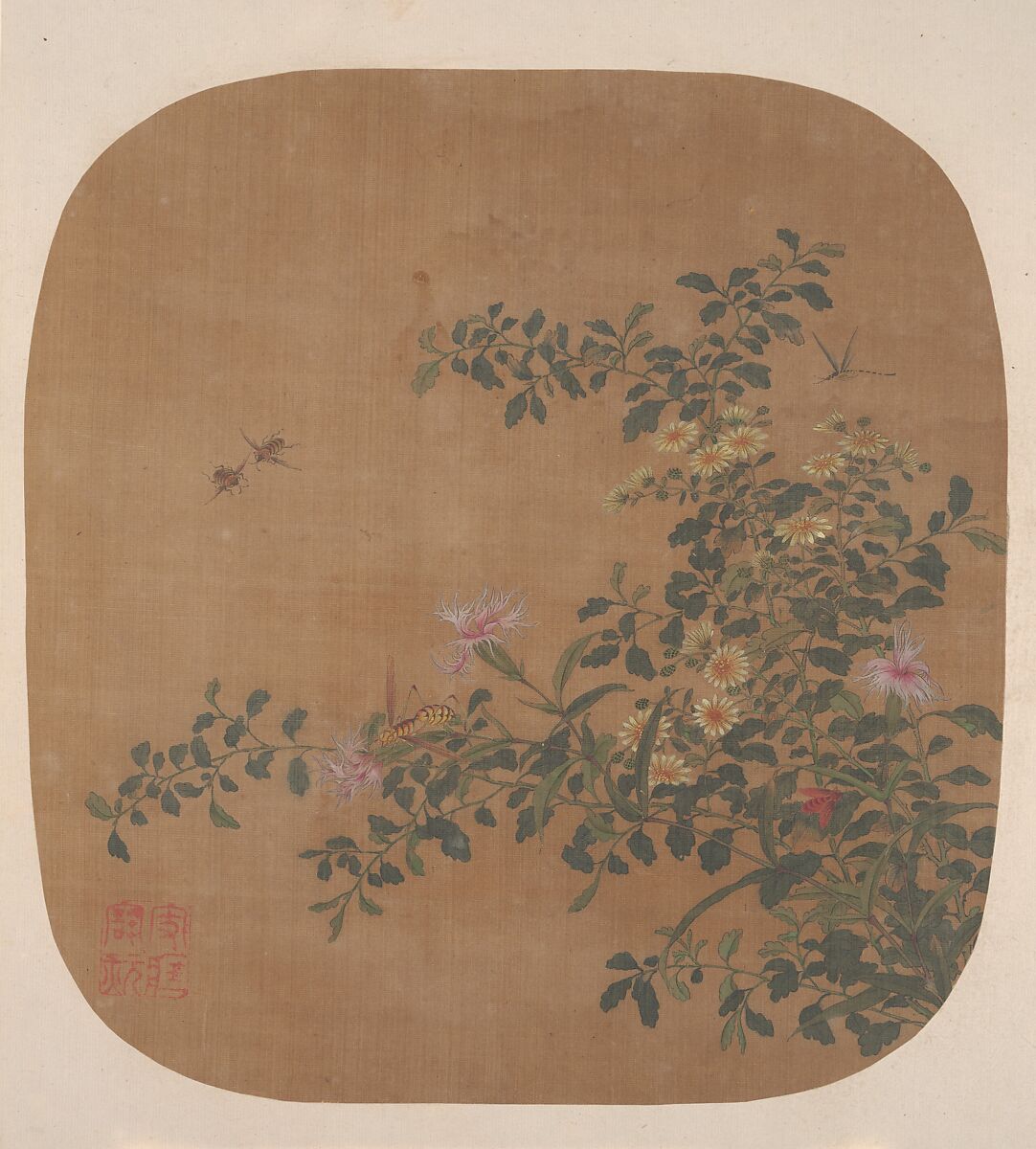
"Flowers and Bees" by an unidentified Chinese artist, 18th century /The Metropolitan Museum of Art
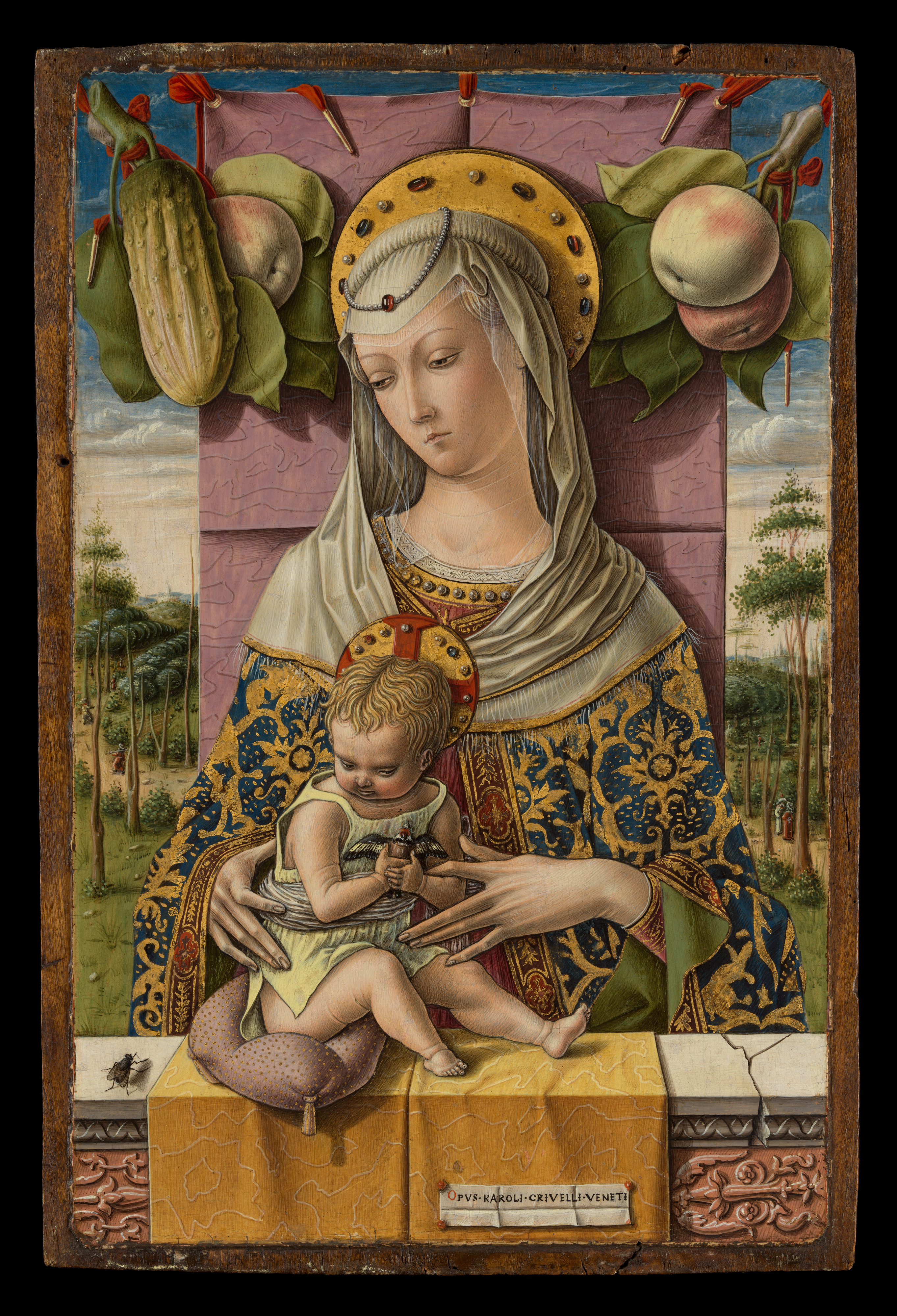
"Madonna and Child" by Carlo Crivelli, ca. 1480 /The Metropolitan Museum of Art
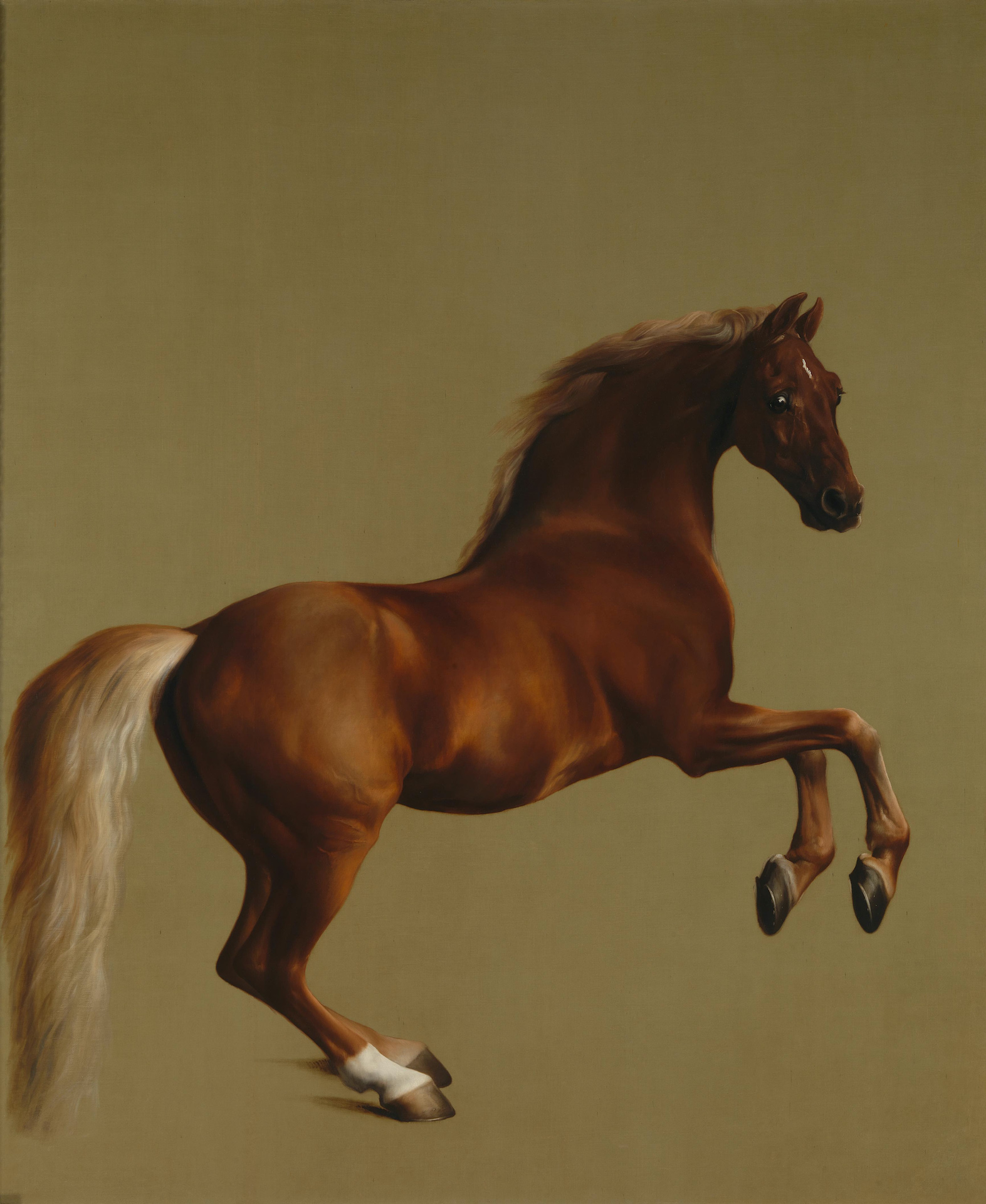
"Whistlejacket" by George Stubbs, ca.1762 /National Gallery of London
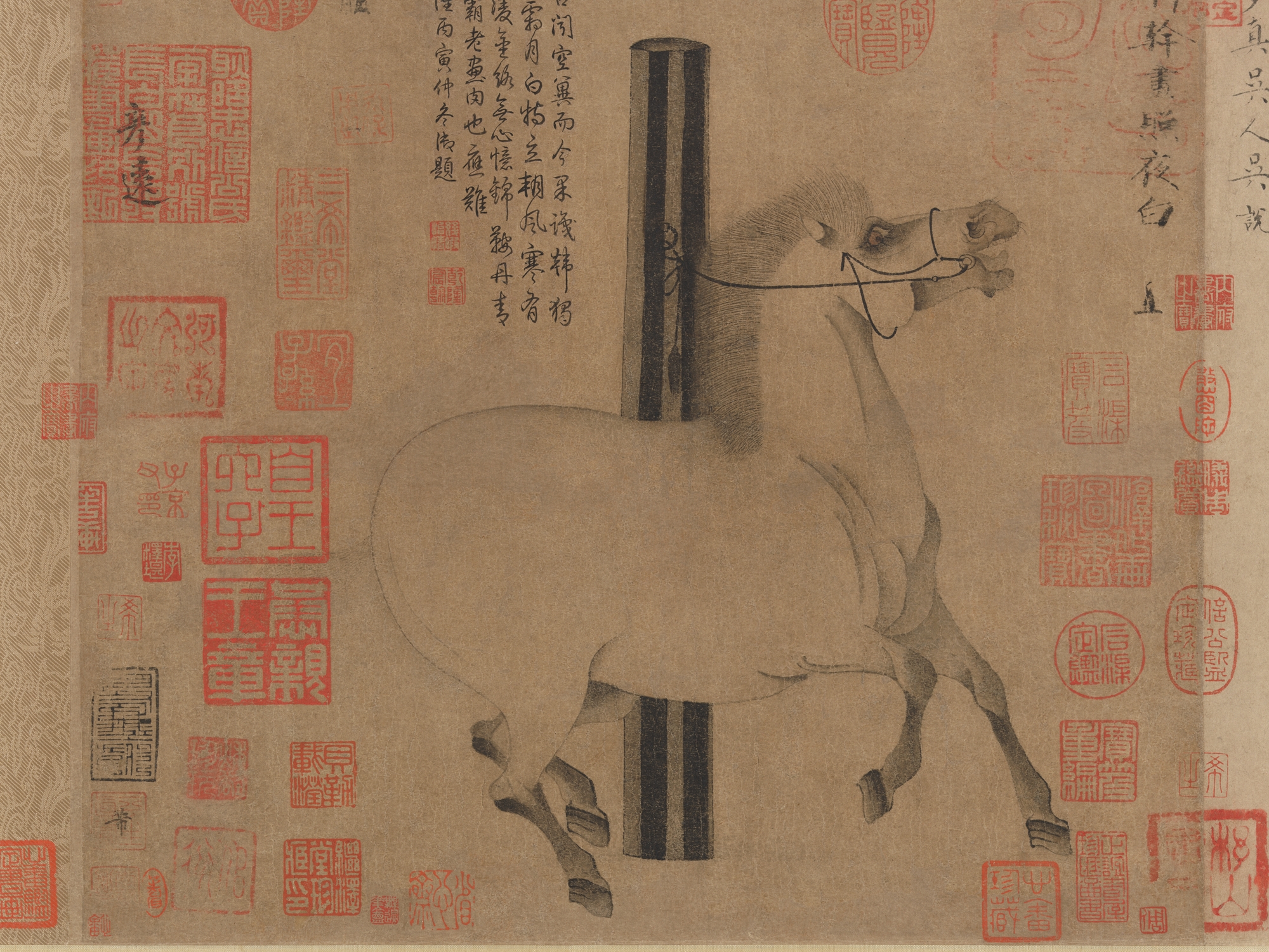
"Night-Shining White" by Han Gan, ca.750 /The Metropolitan Museum of Art
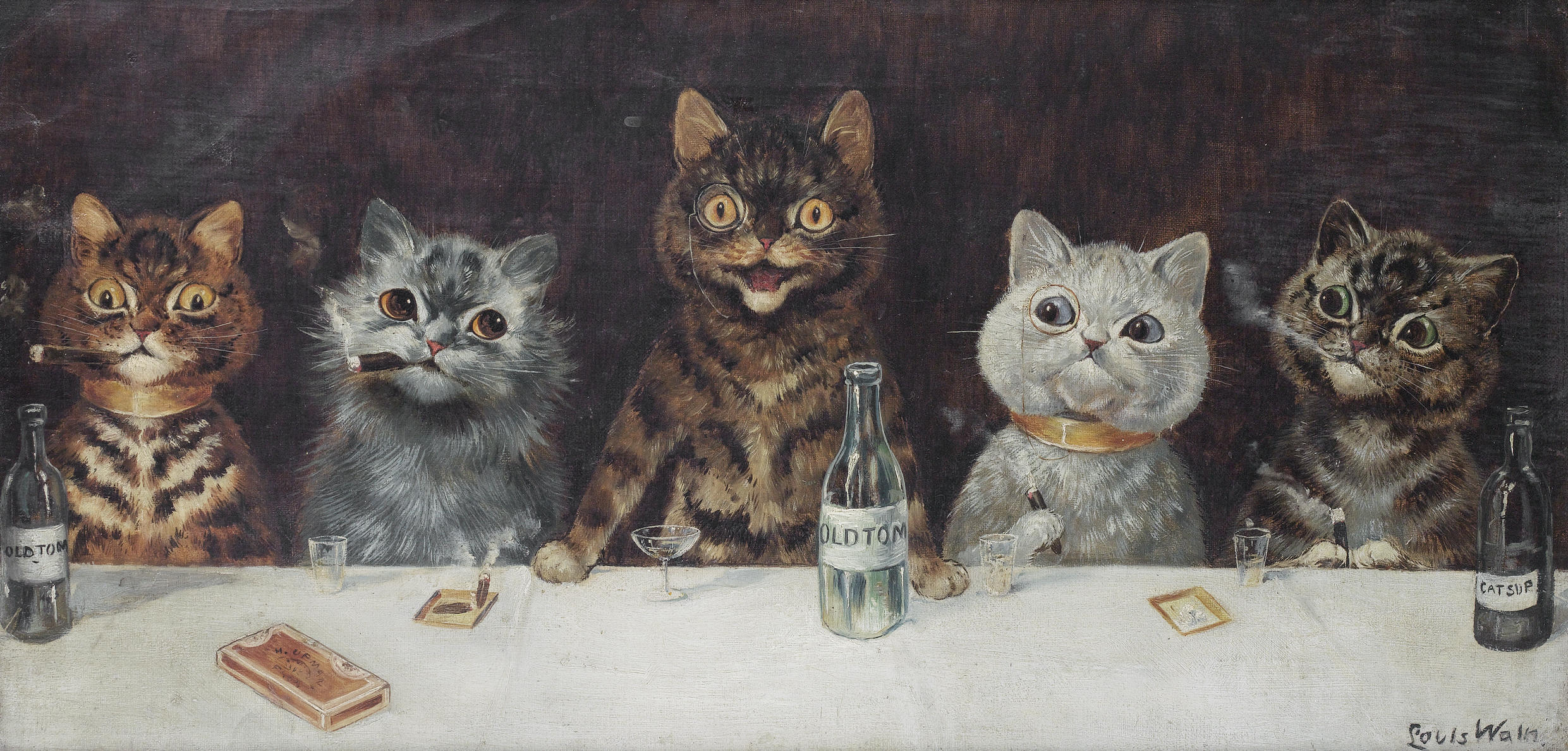
"The Bachelor Party" by Louis Wain /Wikimedia Commons
Insects are a common subject in both Chinese and Western paintings, yet they are often imbued with different meanings or connotations. In Chinese paintings, butterflies are symbols of longevity while bees represent a hard work ethic. On the contrary, when insects appear in paintings of biblical scenes in Western art, they frequently indicate the brevity of life.
As a symbol of power and strength, as well as one of the most effective forms of transport and a means of relaying letters and other forms of communication, horses have also been a popular subject in artworks across various cultures. European artists of the 18th to 19th centuries created many iconic images of horses and equestrians at play. These images were revered for their elegance and anatomical exactitude. Chinese artists paid homage to horses in a somewhat different manner. Using the power of lines, artists captured the form and spirit of this beloved animal.
Long before the Internet age, cats garnered plenty of attention throughout art history. Whether more expressive in style or realistic looking, cats were rendered by Chinese artists to look much like they do in real life. In the West, Louis Wain invented a style that gave them anthropomorphic qualities.
While there are notable differences in both the aesthetics and symbolism of animals in Chinese and Western art, at the end of the day, these paintings document our fascination with nature and our inseparable relationship with various creatures from the animal kingdom.
East Meets West
CGTN
kong.wei@cgtn.com
Legal Disclaimer:
EIN Presswire provides this news content "as is" without warranty of any kind. We do not accept any responsibility or liability for the accuracy, content, images, videos, licenses, completeness, legality, or reliability of the information contained in this article. If you have any complaints or copyright issues related to this article, kindly contact the author above.
